


March 18-21, 2027
Minneapolis Convention Center
612-209-4593
Water Safety 101: Lesser-Known Rules of the Water
When you’re out on the water, whether casting a line or cruising the lake, safety and courtesy are key. Most boaters and anglers know the basics: wear your life jacket, don’t drink and drive, and follow posted speed zones. Did you know that operating a boat while impaired carries the same legal consequences as drunk driving on the road? Or that it's illegal to tow a water-skier without a spotter onboard? Here are a few lesser-known rules of the water that can make your adventure safer and more enjoyable for everyone.
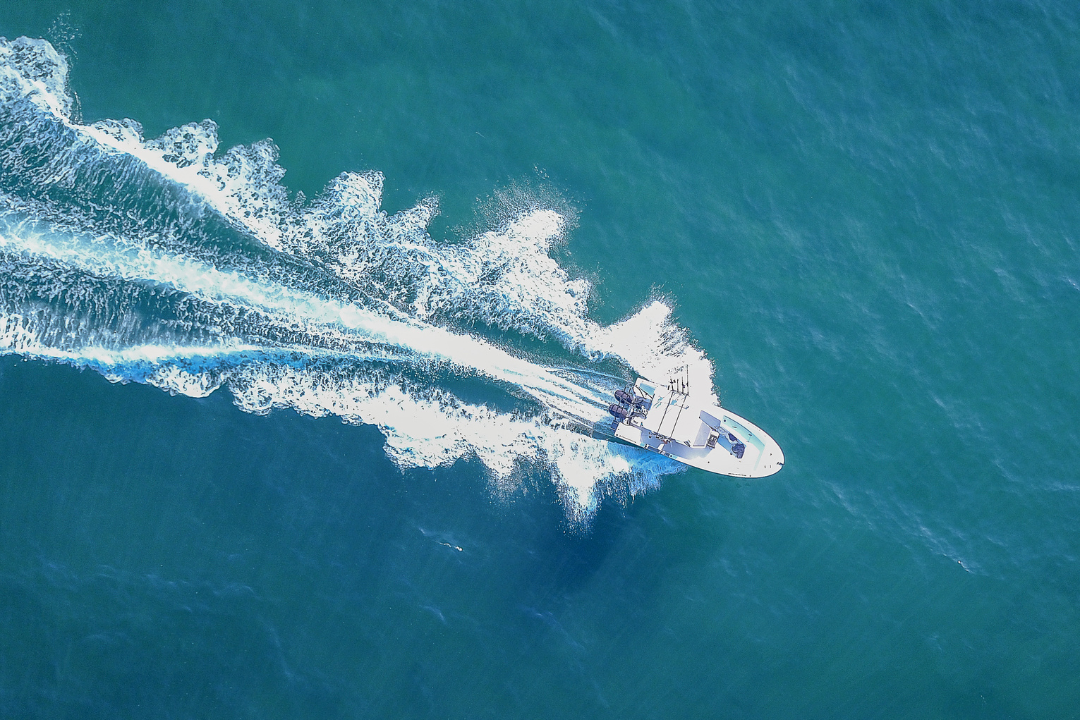
Water Safety Rule 1 - Your Wake Has Consequences
Even if you're far from shore, your boat’s wake can rock anchored boats, damage docks, or swamp kayaks. An unspoken rule of the water is to always be aware of your wake zone and slow down when near others, (especially in no-wake or idle zones).
Water Safety Rule 2 - Fishing Lines Have the Right of Way
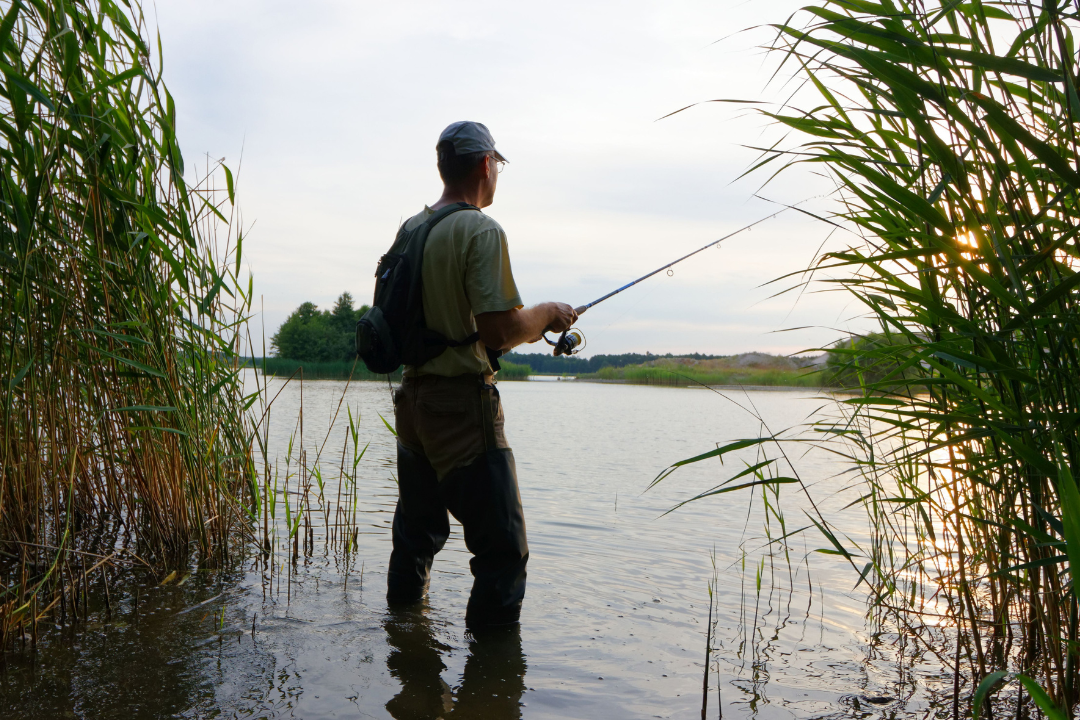
If you're boating by a group of anglers, it’s another unspoken rule to slow down and be sure to give them lots of space. Boats under power should avoid crossing behind or in front of people who are fishing. Tangles and lost gear aren’t just annoying, they’re dangerous.
Water Safety Rule 3 - Anchoring Isn’t Always Allowed
Some areas, especially near navigation channels, busy marinas, or protected habitats -don’t allow anchoring. Always check charts or local regulations to avoid fines or damage to underwater ecosystems.

Water Safety Rule 4 - Sound Signals Are Necessary
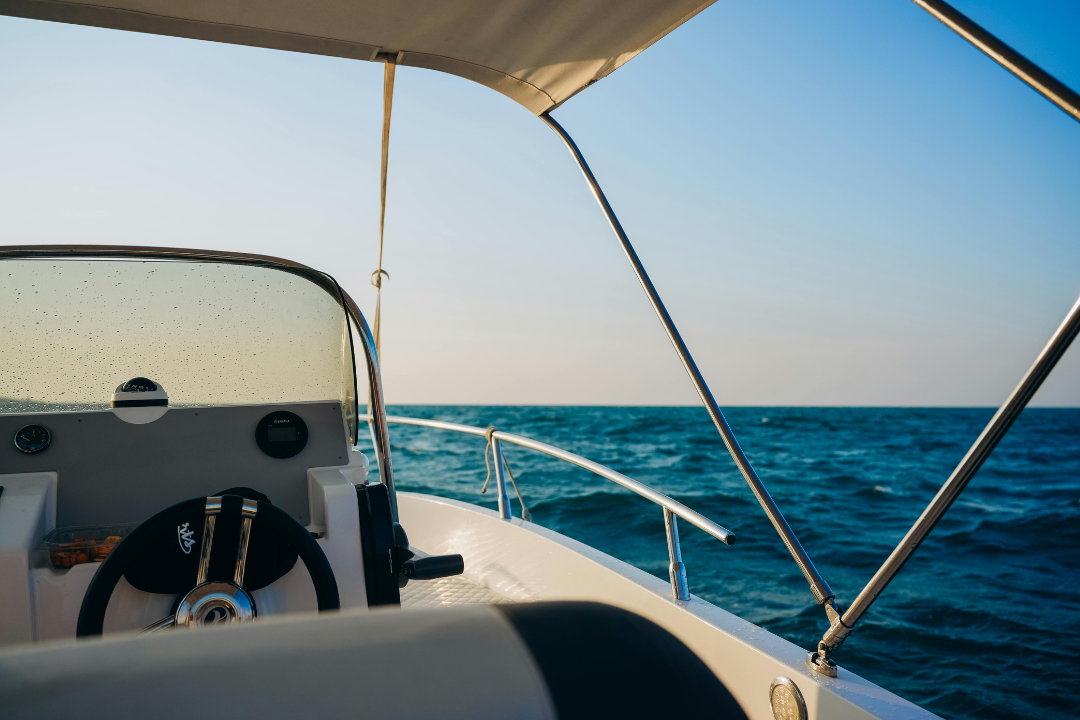
It’s not just for ships—boats are supposed to use horn signals to indicate actions (like passing or stopping) in crowded or foggy areas, (and no, they’re not just meant to be used when you’re trying throw a friendly wave at a fellow boater). A short press of your horn can prevent a serious accident and is a key water safety feature on your vessel.
Water Safety Tip 5 - Be Mindful of Launch Ramp Etiquette
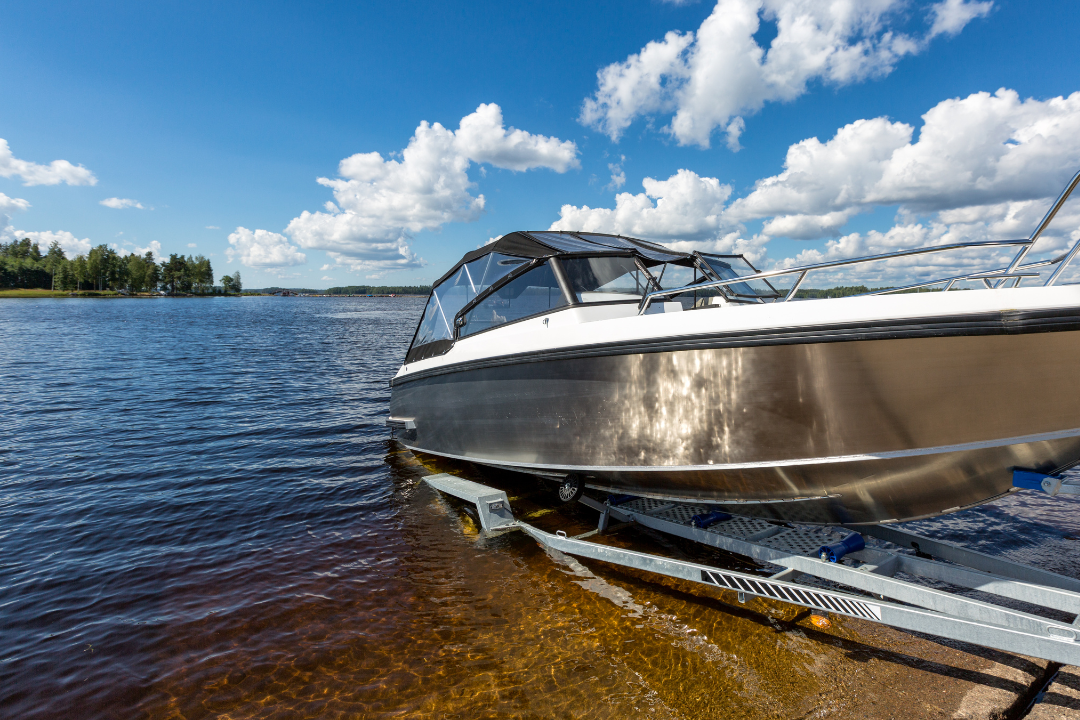
Prep your boat before pulling onto the ramp, not while you're blocking it. It’s a small act of courtesy that keeps everyone’s day running smoothly.
These are just a few of the water safety regulations that can turn a relaxing summer day at the cottage into a serious legal issue if ignored. The lesser-known rules of the water might not always be posted on signs, but they’re just as important as the obvious ones. By understanding and following these guidelines, you help create a safer, cleaner, and more cooperative environment on the water. And that means better days of fishing, smoother cruises, and fewer headaches for everyone involved.
Boating and fishing are about relaxation and connection with nature. Following these lesser-known rules of the water not only keeps you safer—it keeps the water enjoyable for everyone else too. Whether you're paddling a kayak, cruising in a motorboat, or just casting a line off the dock, brushing up on these lesser-known rules helps keep everyone safer—and lets you focus on what really matters: enjoying the great outdoors. Happy boating!